
Public Health Crisis

Over the past two decades, the United States has grappled with a devastating opioid epidemic, leading to widespread addiction, overdose deaths, and enormous public health costs.¹ As one of the nation's largest pharmacy chains and pharmacy benefit managers (PBMs), CVS played a major role in distributing and dispensing prescription opioids.²

CVS and the
Opioid Epidemic

The Scale of the Crisis
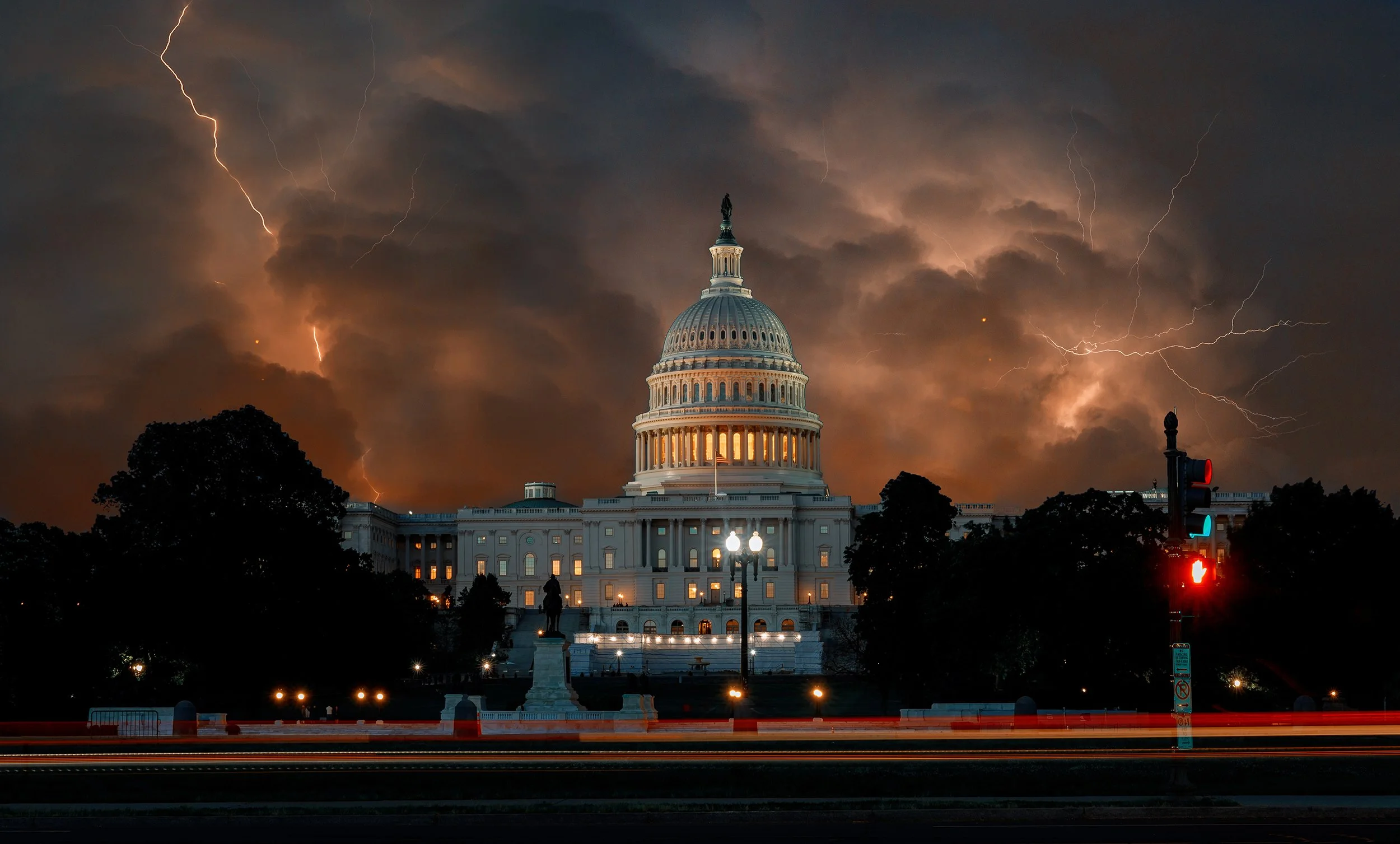
The opioid crisis has claimed more than 500,000 American lives since 1999, tearing through communities of every size and demographic. At its peak, the epidemic was killing more Americans annually than car accidents or gun violence. Behind every statistic is a family shattered, a community drained of resources, and a healthcare system pushed to its limits.1

Pharmacies stood at the front line of this crisis. They were the last checkpoint between a potentially dangerous prescription and a patient — the final opportunity to intervene. CVS, operating nearly 9,000 retail locations and processing billions of prescriptions through its Caremark PBM division, was uniquely positioned to detect and prevent opioid abuse.23

Yet according to federal prosecutors, instead of using that position to protect patients, CVS prioritized prescription volume and speed — creating a corporate culture where pharmacists felt pressured to fill suspicious prescriptions rather than question them.10

What the Government Says

Federal prosecutors say CVS "ignored substantial evidence from multiple sources, including its own pharmacists and internal data" indicating its stores were dispensing unlawful prescriptions.10

Instead of correcting systems to block prescriptions with obvious red flags, DOJ says CVS let them through, driven by corporate performance metrics that prioritized speed over safety. The government alleges that CVS pharmacists were denied critical tools and information — including the ability to warn colleagues about suspect prescribers — making it nearly impossible to fulfill their legal obligations as gatekeepers.10

The Pharmacy-PBM Dual Role

What makes CVS's involvement uniquely troubling is the company's dual role as both pharmacy operator and pharmacy benefit manager. Through its Caremark division, CVS doesn't just fill prescriptions — it decides which drugs insurance plans cover, negotiates drug prices, and processes claims for millions of Americans.4

This vertical integration gave CVS extraordinary visibility into prescribing patterns. The company had access to data that could have revealed suspicious prescribing behavior across its network — patterns like unusually high volumes from specific doctors, patients traveling long distances to fill prescriptions, or the same combinations of drugs (the so-called "holy trinity" of opioids, benzodiazepines, and muscle relaxants) being prescribed repeatedly.10

Critics argue that rather than leveraging this data to protect patients, CVS had a financial incentive to keep prescriptions flowing: every filled prescription generated revenue for both the pharmacy and the PBM sides of the business.4

The Human Cost

Behind every lawsuit and settlement figure are real people. The opioid epidemic has left millions of Americans struggling with addiction, destroyed families, overwhelmed emergency rooms, and drained the resources of local governments forced to respond to a crisis they didn't create.

Rural communities, already underserved by the healthcare system, were hit particularly hard. In many towns, CVS pharmacies were among the only places to fill a prescription — making the company's failure to act as a gatekeeper all the more consequential. When pharmacists at those locations were pressured to fill suspicious prescriptions without asking questions, entire communities paid the price.9

The question now is whether the settlements and ongoing litigation will lead to meaningful reform — or whether they represent the cost of doing business for a corporation that generated $357 billion in revenue in 2023 alone.2

Citations

    Want to take action against CVS's anti-competitive practices?